
Broken Arrow requires a business license and, in most commercial buildings, a certificate of occupancy before a new office can legally open its doors, and that paperwork typically has to clear before the first delivery truck shows up. Figuring out what do I need to buy when opening a new office location usually starts well after the permits, once the space is cleared for staff and it’s time to fill it with desks, chairs, a printer, and the supplies a team needs on day one. Oklahoma businesses adding a second or third location usually move through a shorter version of this process than a brand-new company, but the physical shopping list looks about the same either way.
What Do I Need to Buy When Opening a New Office Location: The Core List
Most new offices end up buying from the same handful of categories, whether the space is 800 square feet or 8,000.
- Furniture: desks, chairs, and storage for every workstation, plus shared tables for a breakroom or conference space
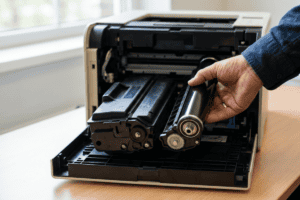
- Technology: computers, monitors, a business-grade printer or copier, and networking equipment
- Office supplies: paper, pens, folders, and the everyday consumables a team runs through in the first month
- Signage and basic branding: an exterior sign, directional signage inside, and printed materials like business cards
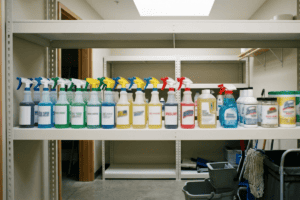
- Facility basics: trash and recycling bins, cleaning supplies, and a first aid kit
Furniture and Layout Come First
Furniture is usually the biggest line item on an opening list, and it’s the one that takes the longest lead time, especially for anything custom-built to fit an odd-shaped space. A rough layout, how many workstations, whether anyone needs a private office, where the breakroom goes, should be settled before ordering, since a desk that doesn’t fit the room is an expensive mistake to fix later. Working from an actual floor plan rather than a guess is the easiest way to land on the right furniture the first time, and it also makes it easier to price out the full room instead of ordering piece by piece. Employers who skip ergonomic seating in the rush to open often end up replacing chairs within the first year anyway, so it’s usually cheaper to get the right chair the first time.
Registering the Location and Getting Compliant
A new address usually means new paperwork, even for an existing business. Oklahoma requires most business types to register a new location with the Secretary of State, and the state’s business registration guidance walks through the forms, fees, and annual filing requirements for LLCs, partnerships, and corporations. Businesses expanding into a new state altogether generally need to complete a foreign qualification filing, according to the expansion guidance published by the U.S. Small Business Administration.
Local requirements layer on top of state registration. Building permits, a certificate of occupancy, and a local business license are typically handled through the city where the office is located, and those approvals usually need to come through before furniture and equipment move in.
Setting a Realistic Budget and Timeline
Furniture lead times are usually the long pole in an office opening timeline, so real budgeting should start with what’s ordered first rather than what looks most urgent. A new EIN is not automatically required just because the address changed, new EIN rules published by the IRS note that ownership or business structure changes are what trigger a new number, which can save a step for a company simply adding a location. Because furniture, technology, and signage costs vary widely depending on size, finish, and how much is custom, the most reliable way to budget is a walkthrough with a supplier who can quote the specific list your space needs rather than a general number that may not apply to your building.
Workplace Safety From Day One
A new office also means new safety obligations, even for a company that’s been operating for years elsewhere. OSHA’s small business resources page is a good starting point for the postings, emergency procedures, and basic hazard checks a new location needs before staff move in, and the joint NIOSH and OSHA safety handbook includes self-inspection checklists that work well for a first walkthrough of a new space. Fire extinguishers, a stocked first aid kit, and clear evacuation routes are worth confirming before the first full day of work, not after.
Furniture, Supplies, and Signage at a Glance
| Category | Typical Lead Time | Order This First? |
|---|---|---|
| Furniture | Several weeks, longer for custom pieces | Yes, order first |
| Technology and networking | One to two weeks | Order alongside furniture |
| Signage | One to two weeks after design approval | Order once branding is final |
| Everyday office supplies | Days, often next-day | Order last, closer to move-in |
The table mirrors what tends to happen in practice: furniture and technology need the longest runway, signage depends on final branding decisions, and day-to-day supplies can wait until the week before move-in since they typically ship fastest.
Why Choose Sundance Office
Opening a new location usually means ordering from several vendors at once, one company for furniture, another for supplies, a third for signage, which is exactly the kind of coordination that slows down a launch date. Sundance Office can quote furniture, day-to-day supplies, and printed materials like signage and business cards from a single order, which cuts down on the number of delivery windows your team has to plan around. Our design team can also put together a CAD layout before anything is ordered, so you know a desk will actually fit the room instead of finding out after delivery. New accounts opening a location in the Tulsa area get set up with the same next-day delivery windows as our existing customers, which matters most in the first few weeks when something is always missing from the list.
Conclusion
The short version: settle permits and registration first, then work through furniture, technology, supplies, and signage in that order, since furniture and custom signage usually take the longest to arrive. A single walkthrough with a supplier who handles more than one category can save weeks compared to ordering piece by piece from separate vendors. For more on getting the physical space right, our seating guide covers what to look for in day-to-day office chairs, or reach out directly and we’ll build a list scaled to your new space.
Opening a location and not sure where to start the shopping list? Contact Sundance Office for a free walkthrough and quote.
Frequently Asked Questions
How much does it cost to open a small office?
Costs vary widely depending on square footage, how much furniture is new versus reused, and how built-out the space already is. Furniture and technology are usually the largest expenses, followed by signage and initial supplies. Getting a quote based on your specific floor plan is more accurate than any general estimate, since finishes and quantities change the total quickly.
Do I need a new business license for a second location?
In most cases, yes, a new physical address typically requires its own local business license even if the company is already registered elsewhere. Requirements vary by city and county, so it’s worth checking with the local municipality before signing a lease. Some states also require a foreign qualification filing when expanding into a new state.
What permits are needed to open an office in Oklahoma?
Requirements depend on the city and the type of space, but most commercial offices need a business license and, if the space is being modified, a certificate of occupancy and any related building permits. Oklahoma’s business registration process through the Secretary of State is separate from local city permitting, so both usually need attention. Checking with the city where the office is located is the most reliable way to confirm the full list.
How long does it take to set up a new office space?
Furniture lead times are usually the longest part of the timeline, often several weeks for anything beyond in-stock items. Permits and registration can typically run in parallel with ordering, so they don’t have to add extra time if they’re started early. A realistic total timeline for a straightforward office is often four to eight weeks from lease signing to move-in.
Do I need a new EIN for a new business location?
Usually not. The IRS only requires a new EIN when a business’s ownership or legal structure changes, not simply because the address changed. A business adding a second location typically keeps its existing EIN and just updates its address with the IRS and other agencies.